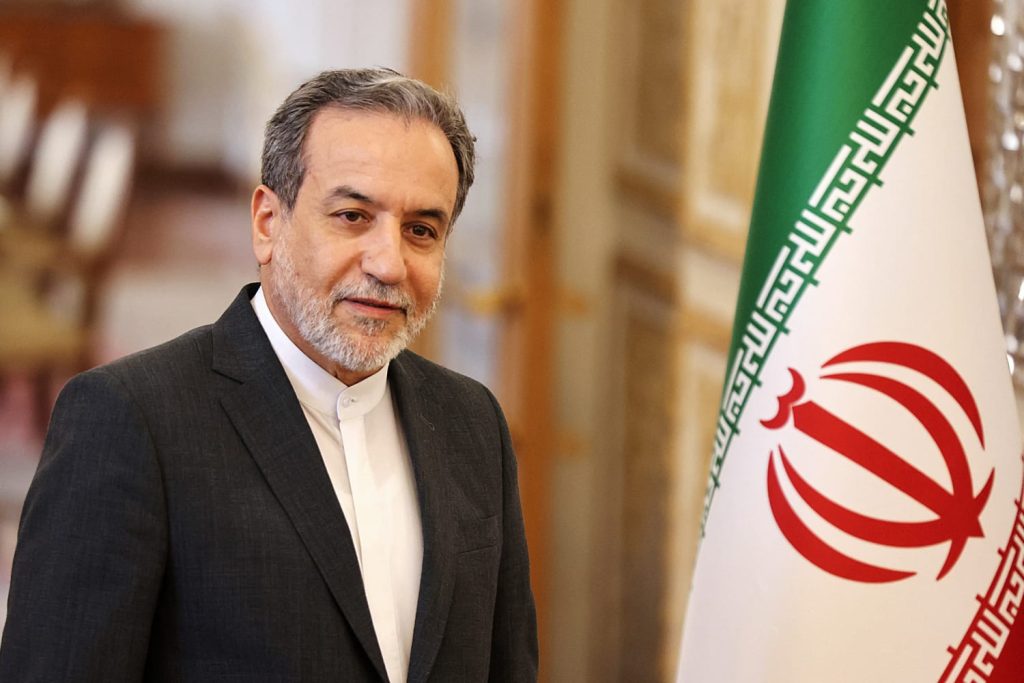

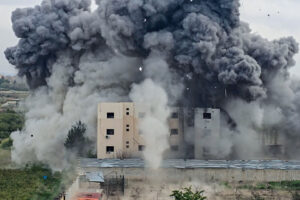
Palestinian Islamist movement Hamas on Saturday called on Iran to refrain from targeting neighbouring countries, while affirming Tehran’s right to defend itself against Israel and the United States.
“While affirming the right of the Islamic Republic of Iran to respond to this aggression by all available means in accordance with international norms and laws, the movement calls on the brothers in Iran to avoid targeting neighbouring countries,” Hamas said in a statement.
Oil Above $100 Tracking Middle East War
Oil prices stayed above $100 per barrel on Friday, with no end in sight to the disruption in crude supply, while stock markets slid lower.
With the conflict heading towards its third week, equity markets fell further amid investor worries about an extended crisis that could fan inflation and hammer the global economy.
The price of Brent crude, the benchmark international oil contract, dipped below $100 during the day, sending equities briefly higher.
But stocks slid back into the red as Brent climbed above $100.
“Crude oil is continuing to dictate direction for markets as we head towards the end of a volatile week… the pressure remains with no end in sight in the Middle East conflict,” said Fawad Razaqzada, market analyst with Forex.com.
“Traders are trying to figure out what a fair value for crude oil is right now, given the big release of emergency oil reserves and the temporary relaxation of sanctions on Russian oil sales that’s already at sea,” he added.
Iran’s closure of the Strait of Hormuz — through which a fifth of global crude oil and liquefied natural gas passes — has sent energy prices soaring.
That, in turn, is causing worries of rising prices rippling through the economy.
“Fears of a burgeoning energy crisis remain front and centre for investors,” noted Joshua Mahony, chief market analyst at Scope Markets.
“Inflationary fears are particularly prevalent with each day that passes,” Mahony added.
Major central banks, which prior to the war’s outbreak were heavily forecast to keep cutting interest rates, are now widely expected next week to freeze borrowing costs or even hike them to keep a lid on inflation.
An unprecedented seven central banks are due to hold meetings on interest rates next week.
READ ALSO: Oil Stays Above $100, Stocks Slide Tracking Middle East War
Investors also digested updated US economic growth data for the fourth quarter, which was revised down to 0.7 per cent from an initial reading of 1.4 per cent and estimates of 2.8 per cent.
And delayed data showed the US Federal Reserve’s preferred inflation gauge had dipped to 2.8 per cent in January.

This is still higher than the Fed’s two-percent inflation target, and before energy prices shot higher.
“The Fed is now looking at an environment where inflation remains sticky and will soon get an energy-fuelled boost, while GDP growth and the labour market continue to lose momentum,” said eToro US Investment Analyst, Bret Kenwell.

On foreign exchange markets, the dollar held gains against major rivals owing to its safe-haven status and expectations that US interest rates will remain elevated longer than expected.
Next week’s “interest-rate meetings at the Federal Reserve and the Bank of England — and those of several of their global counterparts — come at a delicate time”, said AJ Bell investment director Russ Mould.
“Markets will be watching closely for any signals on how they plan to deal with surging oil and gas prices and whether they see it as a short-term bump to look through, or a development that has significantly altered the prospects for inflation and interest rates.”
AFP
The post Stop Targeting Neighbouring Countries, Hamas Urges Iran appeared first on Channels Television.